



Begin here
Set your family-building route
Start with the family you hope to build, what already exists, and which decisions still need an expert answer.
- What happens
- You map your family structure, embryo or donor status, clinic position, state-law questions, timing, and preferred support model.
- What you do
- Name what is known, what is undecided, and which clinic, donor, legal, or logistical question could change the route.
- What Patriot does
- We help organize the starting facts and point each open question to the right planning page or professional conversation.
- What can change
- Embryo readiness, donor needs, clinic selection, home and delivery states, and family structure can change the sequence.
After your route
Build the budget and readiness plan
A workable plan connects the full budget, funding timing, clinic readiness, and legal-state fit before a match begins.
One plan, four connected decisions
- What happens
- The journey is separated into agency, carrier, clinic, donor, legal, insurance, escrow, travel, and contingency decisions.
- What you do
- Set a realistic range, identify when funds must be available, and confirm which clinic, embryo, donor, or state questions remain open.
- What Patriot does
- We explain the planning categories, help sequence the handoffs, and make the next unresolved decision visible.
- What can change
- Clinic treatment, donor needs, insurance exclusions, state-law planning, travel, and more than one transfer can change cost and timing.
After plan
Complete intake and matching readiness
A short readiness review turns broad research into the right next conversation before profiles are treated as the first step.
- What happens
- You share enough route, budget, clinic, embryo or donor, location, and timing context for the team to understand your starting point.
- What you do
- Answer accurately, gather the key clinic and embryo details you have, and include the constraints that should shape a search.
- What Patriot does
- A coordinator reviews the intake, identifies missing decisions, and prepares the most useful follow-up instead of forcing one path.
- What can change
- Missing clinic information, an unfinished embryo or donor plan, narrow timing, or unresolved budget and state questions can pause matching.
After get ready
Meet and choose a surrogate
The right match combines medical and legal workability with communication, values, geography, and a relationship both sides choose.
Watch the conversation
What good matching support and communication look like.
Customer success manager Yuna Luo explains what intended parents can expect when beginning a journey and preparing for a match.
- What happens
- A compatible profile is introduced, both sides prepare questions, a guided conversation happens, and each side decides without pressure.
- What you do
- Discuss communication, appointments, travel, pregnancy decisions, delivery, privacy, and the relationship you hope to have afterward.
- What Patriot does
- We coordinate compatible introductions, prepare both sides, and support a clear yes, no, or not-yet decision.
- What can change
- Availability, clinic fit, state compatibility, insurance, schedules, relationship preferences, and values can affect match timing.
After match
Clear the match before medication
Screening, clinic acceptance, independent legal work, insurance review, and funded escrow come before the transfer calendar.
Before the clinic calendar
- What happens
- The carrier completes required reviews, the clinic decides medical clearance, independent attorneys complete the agreement, and financial safeguards are established.
- What you do
- Review every agreement, ask counsel about parentage and state-specific steps, fund required accounts, and confirm insurance and clinic conditions.
- What Patriot does
- We coordinate milestones and handoffs while the clinic, attorneys, insurance reviewers, and escrow provider make their own decisions.
- What can change
- Records, clinic requirements, attorney revisions, insurance exclusions, escrow timing, travel, and match-specific terms can add time.
After clear the path
Embryo transfer and early follow-up
Once clearance is complete, the clinic owns the medical calendar for medication, monitoring, transfer, testing, and early follow-up.
The clinic-owned calendar
- What happens
- The fertility clinic sets the calendar, monitors the carrier, performs the embryo transfer, and schedules pregnancy testing and early ultrasounds.
- What you do
- Stay aligned with the clinic and coordinator, prepare for travel or appointment participation, and understand the plan if timing changes.
- What Patriot does
- We coordinate non-clinical communication, travel, approved expenses, and handoffs around the clinic-owned plan.
- What can change
- Clinic availability, lining response, embryo readiness, medication timing, travel, or an unsuccessful transfer can change the next step.
After transfer
Pregnancy, parentage, and birth planning
After early clinic monitoring, the journey moves into obstetric care, respectful communication, parentage work, and birth planning.
- What happens
- Care transitions toward an obstetric provider while the team coordinates updates, approved expenses, legal milestones, travel, and the hospital plan.
- What you do
- Follow the agreed communication rhythm, respect the carrier as the patient, complete parentage tasks, and prepare travel and newborn arrangements.
- What Patriot does
- We keep non-clinical coordination moving and help the carrier, intended parents, attorneys, and care teams see the next handoff.
- What can change
- Pregnancy needs, appointment access, work and travel, hospital rules, legal timing, and delivery planning can evolve.
After pregnancy
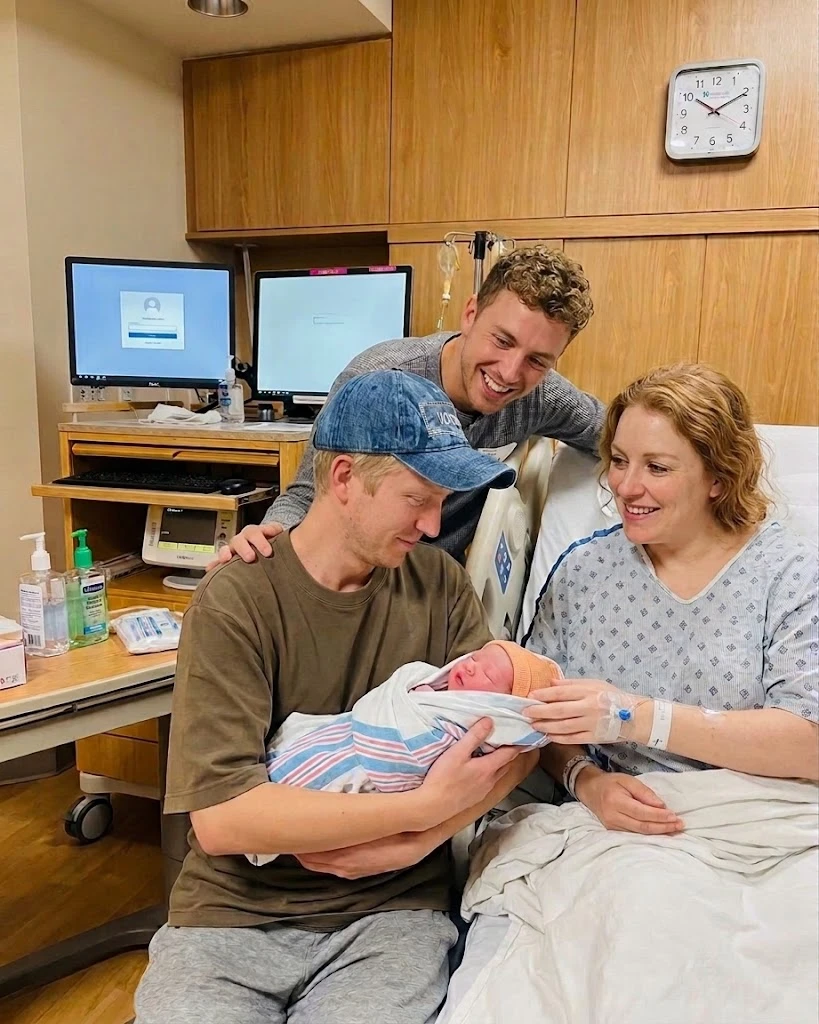
Delivery and the weeks after birth
A clear hospital, parentage, newborn, travel, and recovery plan helps everyone move through birth and the transition afterward.
Before arrival at the hospital
- What happens
- The hospital plan guides arrival and communication, the intended parents welcome their baby, the carrier begins recovery, and final documents and expenses move toward closeout.
- What you do
- Prepare newborn care and travel, follow the hospital and legal plan, support respectful recovery boundaries, and complete remaining documents.
- What Patriot does
- We coordinate the non-clinical plan, communication, approved final expenses, and follow-up after delivery.
- What can change
- Delivery timing, hospital policy, medical needs, parentage and birth-record timing, travel, and the relationship afterward are case-specific.