



Egg Quality and Fertility: What to Ask Your Clinic
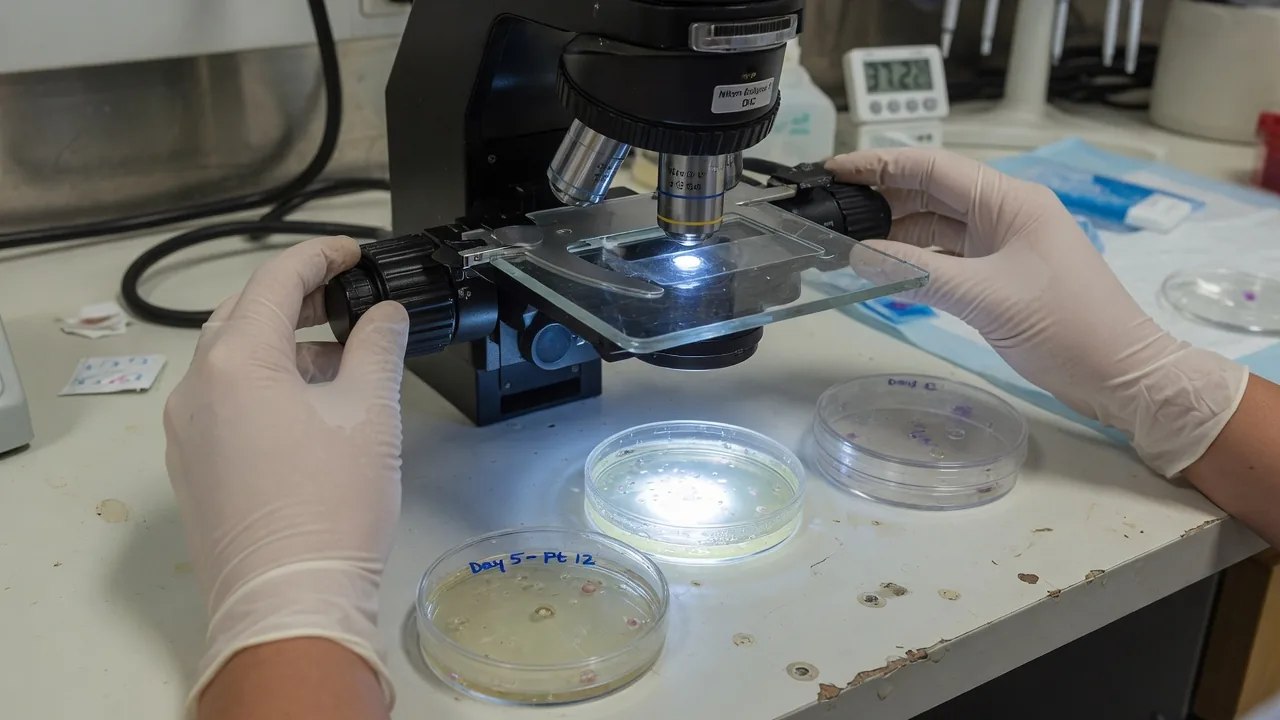
Egg quality is a clinical concept influenced by factors such as age, individual history, and the circumstances of a treatment cycle. No food, supplement, exercise, or home remedy can guarantee egg quality, pregnancy, or a live birth.
Start with the treating clinic
A fertility clinic can review ovarian-reserve testing, medication history, prior cycles, and the limits of available evidence. Ask what a result means for your specific treatment plan and which questions require a reproductive endocrinologist or genetics professional.
Be careful with supplements
Prenatal vitamins, folate, DHEA, melatonin, and other supplements are not interchangeable. Dose, timing, interactions, and contraindications matter. Do not begin or change a supplement because of a blog post; confirm the product and dose with the treating clinician or pharmacist.
Support general health
Ordinary health habits—balanced meals, movement appropriate for you, sleep, avoiding tobacco, and following current alcohol guidance—can support overall well-being. They should not be presented as a treatment for infertility or as a way to guarantee an IVF outcome.
Fertility preservation
Egg freezing may preserve the possibility of using eggs later, but it does not preserve certainty. Age at retrieval, number of mature eggs, laboratory practice, and later treatment all affect the range of possible outcomes. A fertility specialist should explain likely benefits, limitations, timing, and cost.
Patriot Conceptions is a surrogacy and egg-donation agency. We can coordinate agency steps and clinic handoffs, but we do not diagnose fertility conditions, prescribe supplements, or recommend a treatment plan.
Surrogacy is a legal and medical-adjacent topic. This article is for informational purposes only and is not legal or medical advice.
Reviewed by Patriot Conceptions Editorial Team. Last reviewed Jun 26, 2020.
Egg Quality and Fertility: What to Ask Your Clinic
Egg quality is a clinical concept influenced by factors such as age, individual history, and the circumstances of a treatment cycle. No food, supplement, exercise, or home remedy can guarantee egg quality, pregnancy, or a live birth.
Start with the treating clinic
A fertility clinic can review ovarian-reserve testing, medication history, prior cycles, and the limits of available evidence. Ask what a result means for your specific treatment plan and which questions require a reproductive endocrinologist or genetics professional.
Be careful with supplements
Prenatal vitamins, folate, DHEA, melatonin, and other supplements are not interchangeable. Dose, timing, interactions, and contraindications matter. Do not begin or change a supplement because of a blog post; confirm the product and dose with the treating clinician or pharmacist.
Support general health
Ordinary health habits—balanced meals, movement appropriate for you, sleep, avoiding tobacco, and following current alcohol guidance—can support overall well-being. They should not be presented as a treatment for infertility or as a way to guarantee an IVF outcome.
Fertility preservation
Egg freezing may preserve the possibility of using eggs later, but it does not preserve certainty. Age at retrieval, number of mature eggs, laboratory practice, and later treatment all affect the range of possible outcomes. A fertility specialist should explain likely benefits, limitations, timing, and cost.
Patriot Conceptions is a surrogacy and egg-donation agency. We can coordinate agency steps and clinic handoffs, but we do not diagnose fertility conditions, prescribe supplements, or recommend a treatment plan.
For your own case, confirm legal and medical details with your attorney and clinic.
Reviewed by Patriot Conceptions Editorial Team. Last reviewed Jun 26, 2020.