

Torrance, CA · Los Angeles
Facts checked Gestational-carrier servicesSART memberCDC 2022: 2,714 ART cycles
Google Business Profile 4.4/5 as of Oct 19, 2026 · 5 references checked.

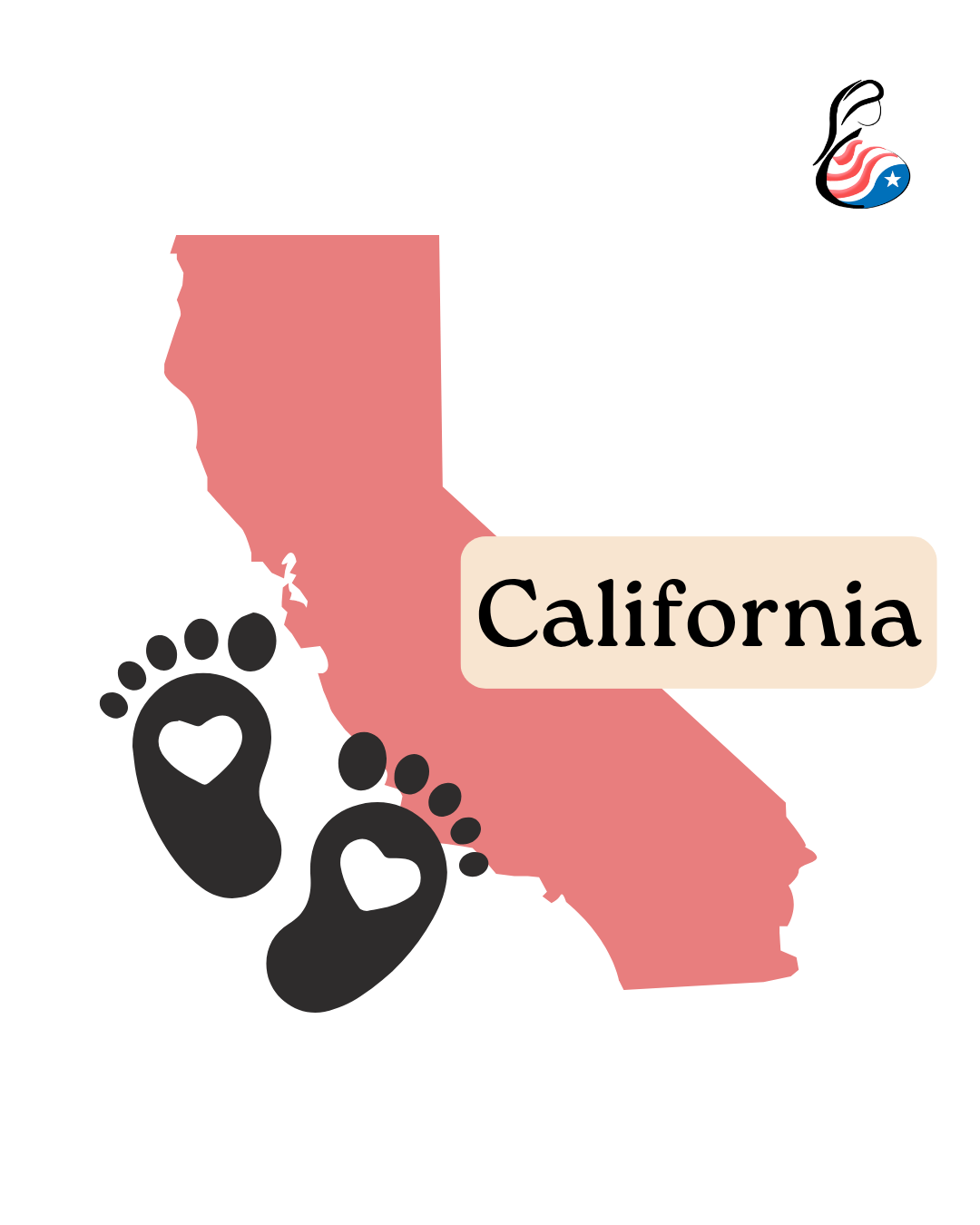
Explore surrogacy guidance for California, find local professionals, and prepare questions for your attorney and care team.
Reviewed by Patriot Conceptions Legal Review Team, Legal content review team on October 8, 2025.
Use this page to decide who should own the next step — your attorney, clinic, or coordinator.
Confirm the California parentage path, compensation language, venue or residency assumptions, and required signatures before anyone treats a match as ready.
Read legal summaryConfirm medical clearance, transfer timing, records, monitoring logistics, psychological review, and any clinic-specific requirements before calendars are locked.
Review requirementsMap state fit, provider handoffs, escrow and insurance timing, travel burden, and whether the California route needs a backup jurisdiction.
Talk to our teamMost Surrogacy-Friendly
California permits gestational surrogacy by statute (California Family Law §§ 7960-7962) and has supportive case law (e.g., Johnson v. Calvert, Buzzanca).
Traditional surrogacy (where the surrogate is genetically related) is also allowed, since there is no law or published case that explicitly prohibits it.
You can file in several potential venues: the county where the child is expected to be born, where the intended parent(s) live, where the surrogate lives, where the surrogacy agreement was signed, or where the medical procedures will happen. Motions to waive venue are not accepted. Whether a hearing is required depends on the county; many counties do not need a hearing. Even if no party lives in California, a pre-birth order can be filed if the plan is for the gestational carrier to deliver in California.
If at least one intended parent is genetically related, both intended parents can be declared as the legal parents in the pre-birth order. Even if no intended parent is genetically related, California still allows both intended parents to be declared legal parents under a pre-birth order.
As of January 1, 2016, parents can choose the designation “mother,” “father,” or “parent” on the birth certificate. International same-sex male couples can receive an initial birth certificate naming the biological father and the gestational carrier; later may obtain a certificate naming only the biological father(s), with no mention of the surrogate. The non-biological parent in a same-sex couple may seek a second-parent adoption, even when neither intended parent lives in California—provided the gestational carrier lives in California.
5-10 business days (may vary by county)
California courts allow second-parent and stepparent adoption for heterosexual couples (if married or registered domestic partners) and same-sex couples (if married or domestic partners).
California is considered the gold standard for surrogacy with its clear laws, court precedents, and equal treatment of all intended parents regardless of marital status, sexual orientation, or genetic connection.
This summary is based on the primary source listed for California. Confirm your situation with a reproductive attorney licensed in that state.
SourceWe coordinate with reproductive law specialists who draft enforceable agreements tailored to your family plan.
The law sets the parentage route. The clinic sets medical clearance, transfer timing, and monitoring — so both calendars have to be planned together. These are public Atlas profiles, not recommendations.
Google Business Profile 4.4/5 as of Oct 19, 2026 · 5 references checked.
Google Business Profile 4.1/5 as of Oct 19, 2026 · 5 references checked.
Google Business Profile 4.9/5 as of Oct 19, 2026 · 4 references checked.
Google Business Profile 4.8/5 as of Oct 19, 2026 · 4 references checked.
Google Business Profile 4.8/5 as of Oct 19, 2026 · 4 references checked.
Google Business Profile 4.7/5 as of Oct 19, 2026 · 4 references checked.
Showing 1–6 of 92 published California clinic profiles, ordered by how complete each public record is.
Atlas clinic facts reviewed October 20, 2026. Patriot does not rank or endorse clinics — each profile links to its own public sources and a correction path. Confirm screening, transfer timing, and carrier requirements with the clinic directly.
In California, your surrogacy funds are held in a fertility-law firm's attorney trust account (an IOLTA). Patriot never holds your money directly. The firm administers the trust account using software built for that workflow.
Patriot recommends TrustUS, the software your law firm uses to hold your funds. TrustUS runs on top of the firm's IOLTA — not as a separate third-party escrow agent.
Patriot has not independently verified TrustUS's compliance attestations; consult your attorney before custodying funds.
Stay confident in your chosen destination. See how other jurisdictions approach pre-birth orders, surrogacy compensation, and intended parent protections.
Surrogacy laws are complex and vary by state. Our team collaborates with experienced reproductive law attorneys across the country to ensure your journey remains legally sound and fully protected.
Become a SurrogateMove from legal research into the next decision pages: requirements, cost planning, agency comparison, and a live conversation with the team.
Talk with a reproductive attorney licensed in California before you act on any detail here.
Explore surrogacy guidance for California, find local professionals, and prepare questions for your attorney and care team.
Reviewed by Patriot Conceptions Legal Review Team, Legal content review team on October 8, 2025.
Use this page to decide who should own the next step — your attorney, clinic, or coordinator.
Confirm the California parentage path, compensation language, venue or residency assumptions, and required signatures before anyone treats a match as ready.
Read legal summaryConfirm medical clearance, transfer timing, records, monitoring logistics, psychological review, and any clinic-specific requirements before calendars are locked.
Review requirementsMap state fit, provider handoffs, escrow and insurance timing, travel burden, and whether the California route needs a backup jurisdiction.
Talk to our teamMost Surrogacy-Friendly
California permits gestational surrogacy by statute (California Family Law §§ 7960-7962) and has supportive case law (e.g., Johnson v. Calvert, Buzzanca).
Traditional surrogacy (where the surrogate is genetically related) is also allowed, since there is no law or published case that explicitly prohibits it.
You can file in several potential venues: the county where the child is expected to be born, where the intended parent(s) live, where the surrogate lives, where the surrogacy agreement was signed, or where the medical procedures will happen. Motions to waive venue are not accepted. Whether a hearing is required depends on the county; many counties do not need a hearing. Even if no party lives in California, a pre-birth order can be filed if the plan is for the gestational carrier to deliver in California.
If at least one intended parent is genetically related, both intended parents can be declared as the legal parents in the pre-birth order. Even if no intended parent is genetically related, California still allows both intended parents to be declared legal parents under a pre-birth order.
As of January 1, 2016, parents can choose the designation “mother,” “father,” or “parent” on the birth certificate. International same-sex male couples can receive an initial birth certificate naming the biological father and the gestational carrier; later may obtain a certificate naming only the biological father(s), with no mention of the surrogate. The non-biological parent in a same-sex couple may seek a second-parent adoption, even when neither intended parent lives in California—provided the gestational carrier lives in California.
5-10 business days (may vary by county)
California courts allow second-parent and stepparent adoption for heterosexual couples (if married or registered domestic partners) and same-sex couples (if married or domestic partners).
California is considered the gold standard for surrogacy with its clear laws, court precedents, and equal treatment of all intended parents regardless of marital status, sexual orientation, or genetic connection.
Based on the primary source listed for California. Confirm your situation with a reproductive attorney licensed in that state.
Source California Legislative Information: Family Code Section 7960We coordinate with reproductive law specialists who draft enforceable agreements tailored to your family plan.
The law sets the parentage route. The clinic sets medical clearance, transfer timing, and monitoring — so both calendars have to be planned together. These are public Atlas profiles, not recommendations.
Google Business Profile 4.4/5 as of Oct 19, 2026 · 5 references checked.
Google Business Profile 4.1/5 as of Oct 19, 2026 · 5 references checked.
Google Business Profile 4.9/5 as of Oct 19, 2026 · 4 references checked.
Google Business Profile 4.8/5 as of Oct 19, 2026 · 4 references checked.
Google Business Profile 4.8/5 as of Oct 19, 2026 · 4 references checked.
Google Business Profile 4.7/5 as of Oct 19, 2026 · 4 references checked.
Showing 1–6 of 92 published California clinic profiles, ordered by how complete each public record is.
Atlas clinic facts reviewed October 20, 2026. Patriot does not rank or endorse clinics — each profile links to its own public sources and a correction path. Confirm screening, transfer timing, and carrier requirements with the clinic directly.
In California, your surrogacy funds are held in a fertility-law firm's attorney trust account (an IOLTA). Patriot never holds your money directly. The firm administers the trust account using software built for that workflow.
Patriot recommends TrustUS, the software your law firm uses to hold your funds. TrustUS runs on top of the firm's IOLTA — not as a separate third-party escrow agent.
Patriot has not independently verified TrustUS's compliance attestations; consult your attorney before custodying funds.
See how other jurisdictions approach pre-birth orders, surrogacy compensation, and intended parent protections.
Move from legal research into the next decision pages: requirements, cost planning, agency comparison, and a live conversation with the team.