



Demystifying IVF for Surrogacy: An In-Depth Look at the In Vitro Fertilization Process
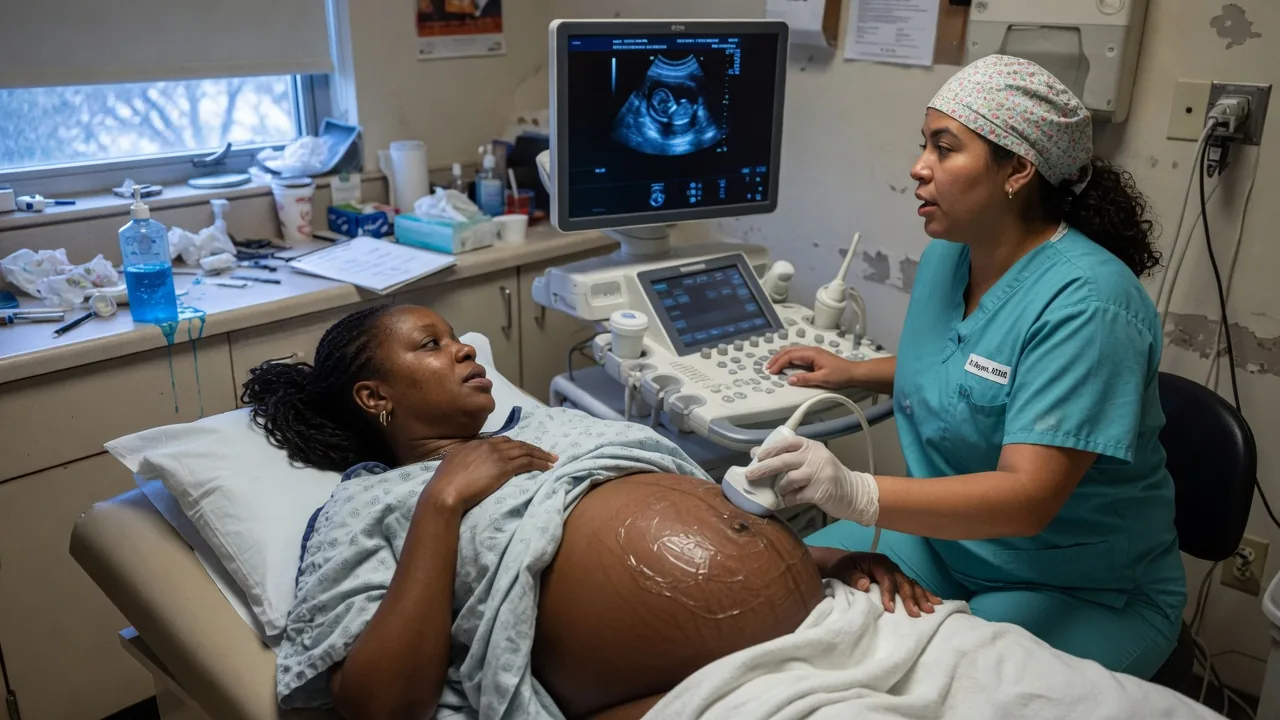
In vitro fertilization (IVF) is the clinical process used to create embryos for a gestational-surrogacy journey. The treating fertility clinic designs and manages the treatment plan.
A general sequence
- Evaluation: The clinic reviews relevant history and determines which tests are appropriate.
- Egg development and retrieval: A patient or egg donor may receive medication and monitoring before a clinician retrieves eggs.
- Fertilization and embryo culture: A laboratory combines eggs and sperm using the method selected by the clinical team.
- Optional embryo testing: The clinic and genetics professionals explain whether preimplantation genetic testing may be relevant and what it can and cannot detect.
- Gestational-carrier preparation and transfer: After separate screening and clearance, the clinic manages medication and embryo transfer.
- Follow-up: The clinic confirms the result and coordinates the appropriate transition to prenatal care.
Exact steps, timing, medication, testing, and likelihood of an outcome vary. PGT does not identify every condition or guarantee pregnancy or a healthy child.
Patriot Conceptions can coordinate agency intake, matching, schedules, and authorized communication with the clinic. We do not prescribe medication, perform procedures, select embryos, interpret results, or recommend a treatment plan. Medical questions belong with the treating clinic.
Surrogacy is a legal and medical-adjacent topic. This article is for informational purposes only and is not legal or medical advice.
Reviewed by Patriot Conceptions Editorial Team. Last reviewed Mar 4, 2024.
Demystifying IVF for Surrogacy: An In-Depth Look at the In Vitro Fertilization Process
In vitro fertilization (IVF) is the clinical process used to create embryos for a gestational-surrogacy journey. The treating fertility clinic designs and manages the treatment plan.
A general sequence
- Evaluation: The clinic reviews relevant history and determines which tests are appropriate.
- Egg development and retrieval: A patient or egg donor may receive medication and monitoring before a clinician retrieves eggs.
- Fertilization and embryo culture: A laboratory combines eggs and sperm using the method selected by the clinical team.
- Optional embryo testing: The clinic and genetics professionals explain whether preimplantation genetic testing may be relevant and what it can and cannot detect.
- Gestational-carrier preparation and transfer: After separate screening and clearance, the clinic manages medication and embryo transfer.
- Follow-up: The clinic confirms the result and coordinates the appropriate transition to prenatal care.
Exact steps, timing, medication, testing, and likelihood of an outcome vary. PGT does not identify every condition or guarantee pregnancy or a healthy child.
Patriot Conceptions can coordinate agency intake, matching, schedules, and authorized communication with the clinic. We do not prescribe medication, perform procedures, select embryos, interpret results, or recommend a treatment plan. Medical questions belong with the treating clinic.
For your own case, confirm legal and medical details with your attorney and clinic.
Reviewed by Patriot Conceptions Editorial Team. Last reviewed Mar 4, 2024.